

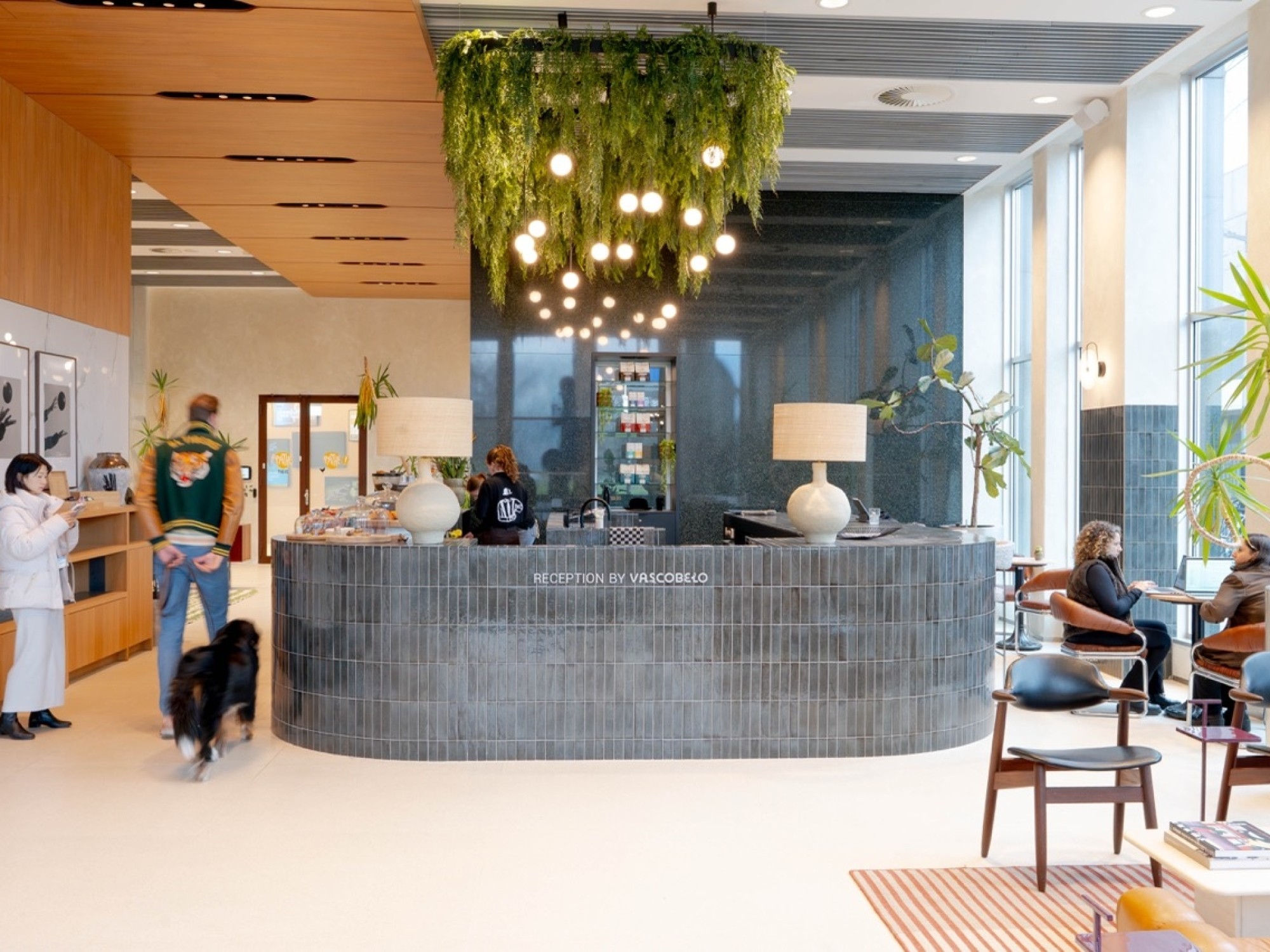
In many organizations, a great deal of attention is paid to the design of the workplace. Factors such as flexibility, sustainability, technology, and efficient use of space are carefully considered. Yet there is one element that often determines how a workplace is truly experienced: the social heart.
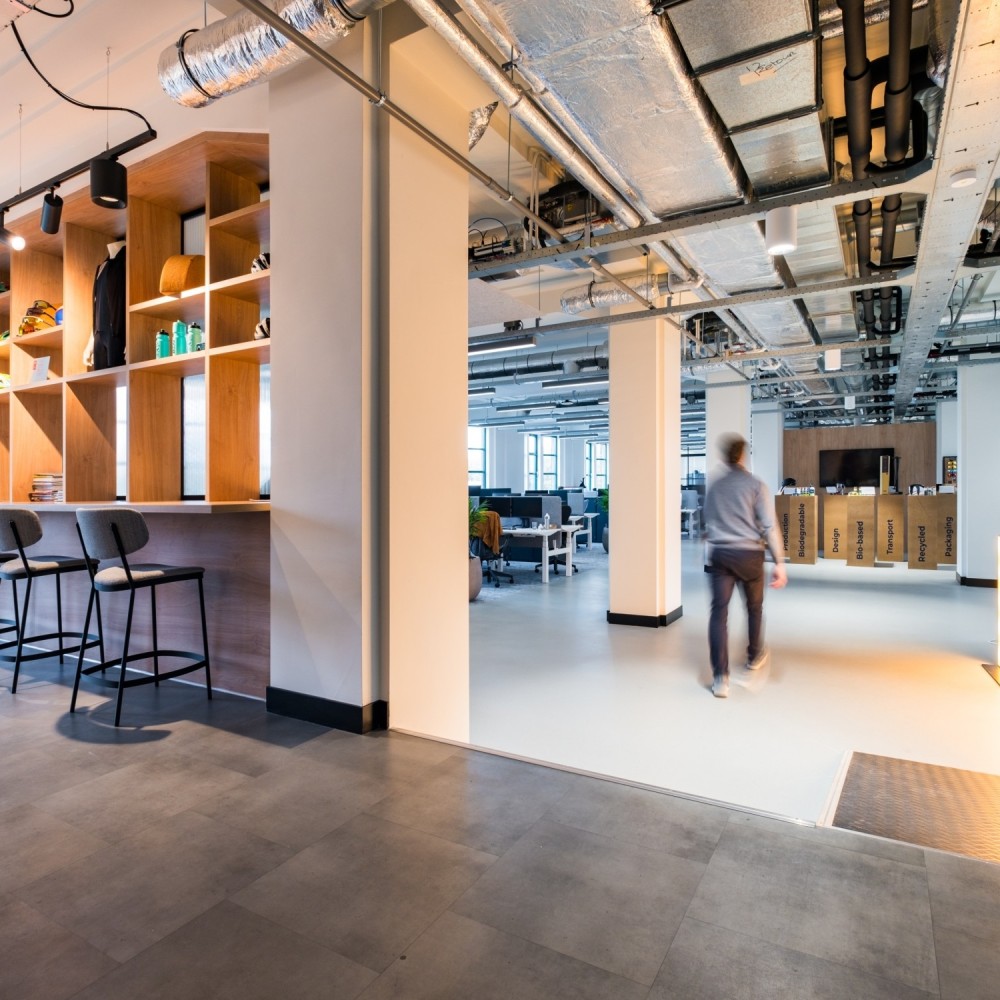
Why connection makes the difference
The social heart is the place both physically and culturally where people come together, meet each other, and where connection is created. It is where colleagues exchange ideas, where spontaneous conversations arise, and where the organization comes to life.
At a time when hybrid working, digitalization, and flexibility are becoming increasingly common, the importance of a well-functioning social heart continues to grow. It ensures that an organization is not only a place where work gets done, but also a place where people feel connected.
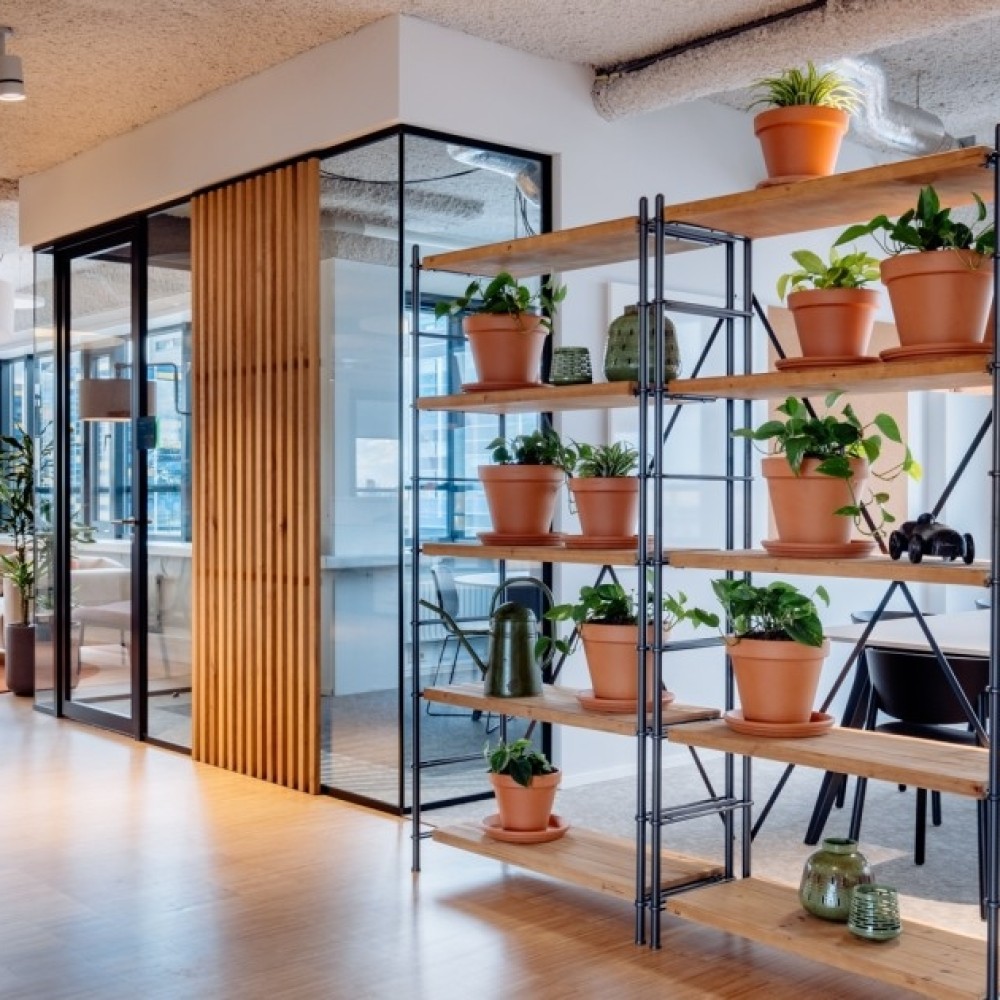
What is a social heart?
The social heart is the central place within an organization where meeting and interaction occur naturally. This can be a central space in an office, such as an atrium, coffee bar, or meeting area, but it can also be a concept that goes beyond just a physical space.
The social heart represents:
-
interaction between colleagues
-
knowledge sharing and collaboration
-
informal communication
-
connection with the organization
While workspaces are often focused on concentration and productivity, the social heart is centered on contact and interaction.
It is the place where people encounter each other outside their own team or department. These spontaneous meetings often lead to new ideas, better collaboration, and a stronger sense of engagement.
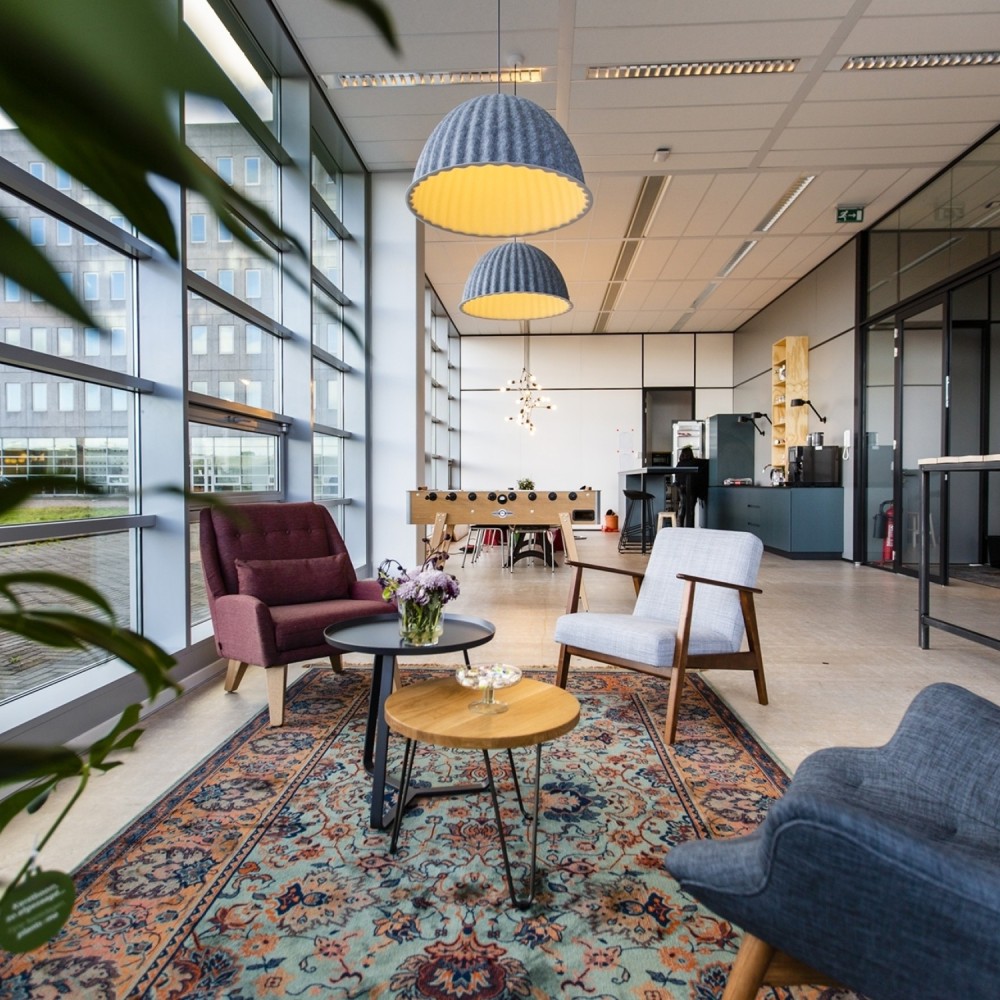
Greater engagement and job satisfaction
In addition to better collaboration, a strong social heart also has a major influence on how employees experience their workplace. An environment where interaction is central helps people feel more connected to each other and to the organization.
When colleagues meet regularly, get to know each other, and engage in informal conversations, job satisfaction naturally increases. The feeling of being part of a community grows, relationships become stronger, and employees feel more involved in what is happening within the organization.
This sense of connection has a direct impact on motivation and engagement. People who feel valued and have a good relationship with their colleagues are often more motivated and more committed to their work and their team. In this way, a well-functioning social heart contributes to a positive and healthy organizational culture.
The role of physical space
Although the social heart largely revolves around people and culture, the physical work environment also plays an important role. The way an office or building is designed can encourage interaction, but it can also unintentionally limit it.
Workspaces that focus solely on efficiency and individual concentration often leave little room for spontaneous interaction. Yet these informal moments—a conversation over coffee, a brief encounter in the hallway, or a shared lunch—are important building blocks for connection.
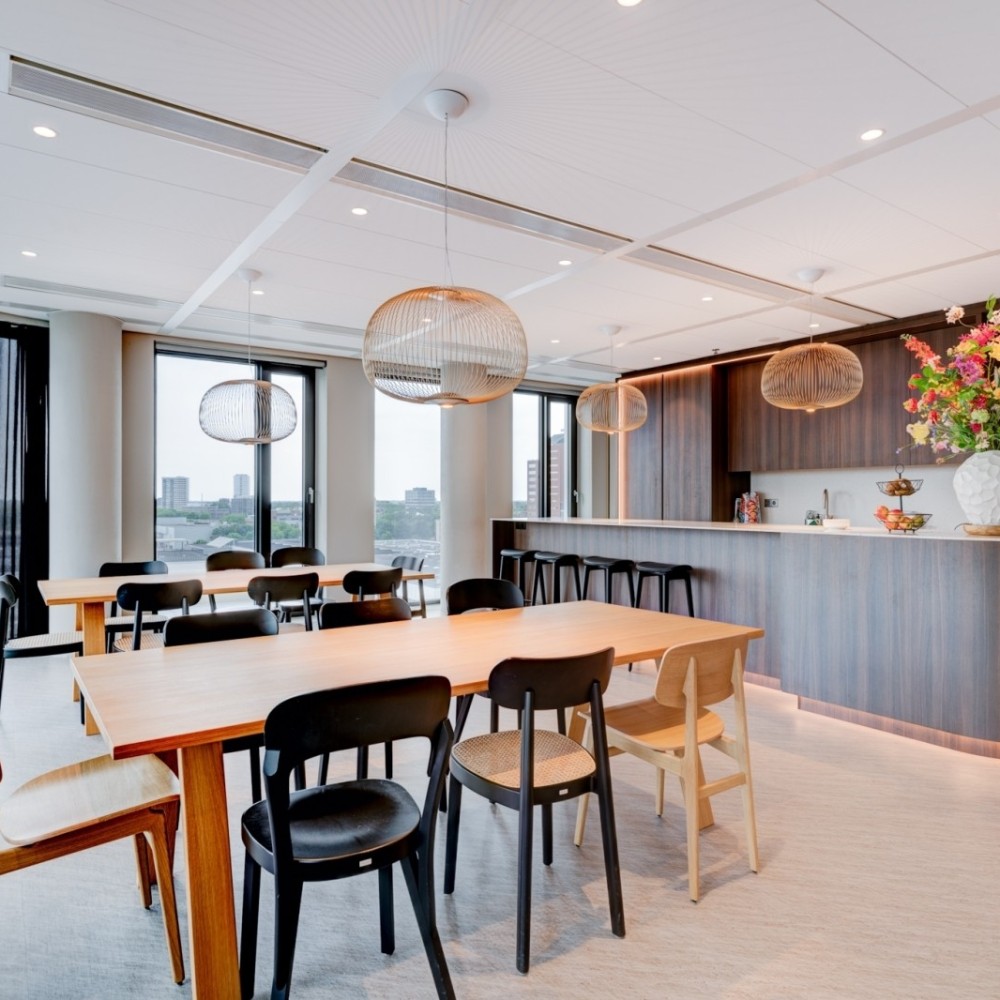
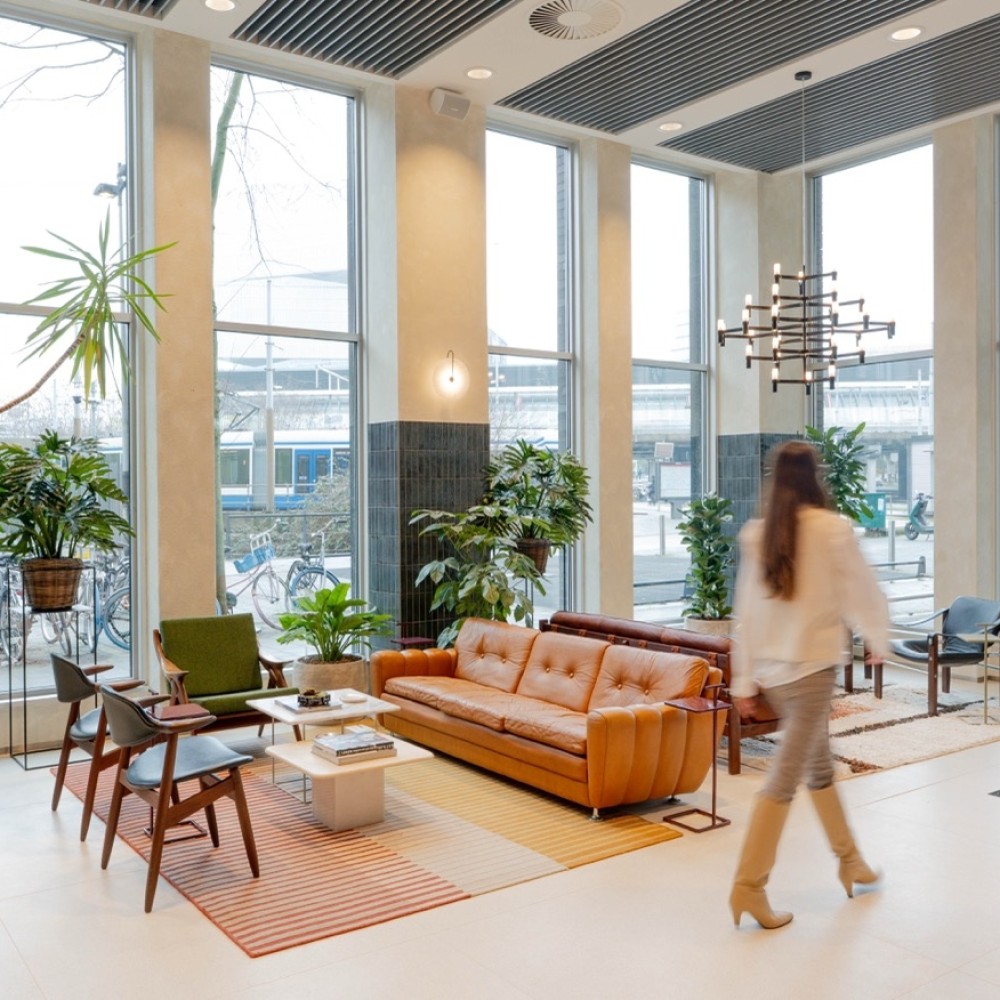
That is why more and more organizations are choosing to create central places where people naturally run into each other. Think of a shared lunch area, a coffee bar, informal seating areas, or open meeting spaces where employees can gather for a moment.
When these spaces are accessible, visible, and inviting, they naturally become a lively part of the workday. People linger for a while, start conversations, and exchange ideas. In this way, a natural place for interaction emerges within the organization.
Culture: the invisible side of the social heart
However, a physical space alone is not enough to make a social heart function. The real strength lies in the culture of the organization.
A social heart truly comes to life when interaction and collaboration are also encouraged in the way people work together. This means there is room for informal conversations, teams communicate openly with one another, and leadership actively supports interaction and connection.
Shared activities, events, or initiatives that bring people together can also play an important role. They ensure that colleagues get to know each other not only professionally, but also on a personal level.
When the physical space and the organizational culture reinforce each other, a social heart emerges that truly thrives a place where people meet, share ideas, and where the organizational culture becomes visible in everyday interactions.