19 Jan. 2026
Reading time: 5 minutes
Knowledge & trends
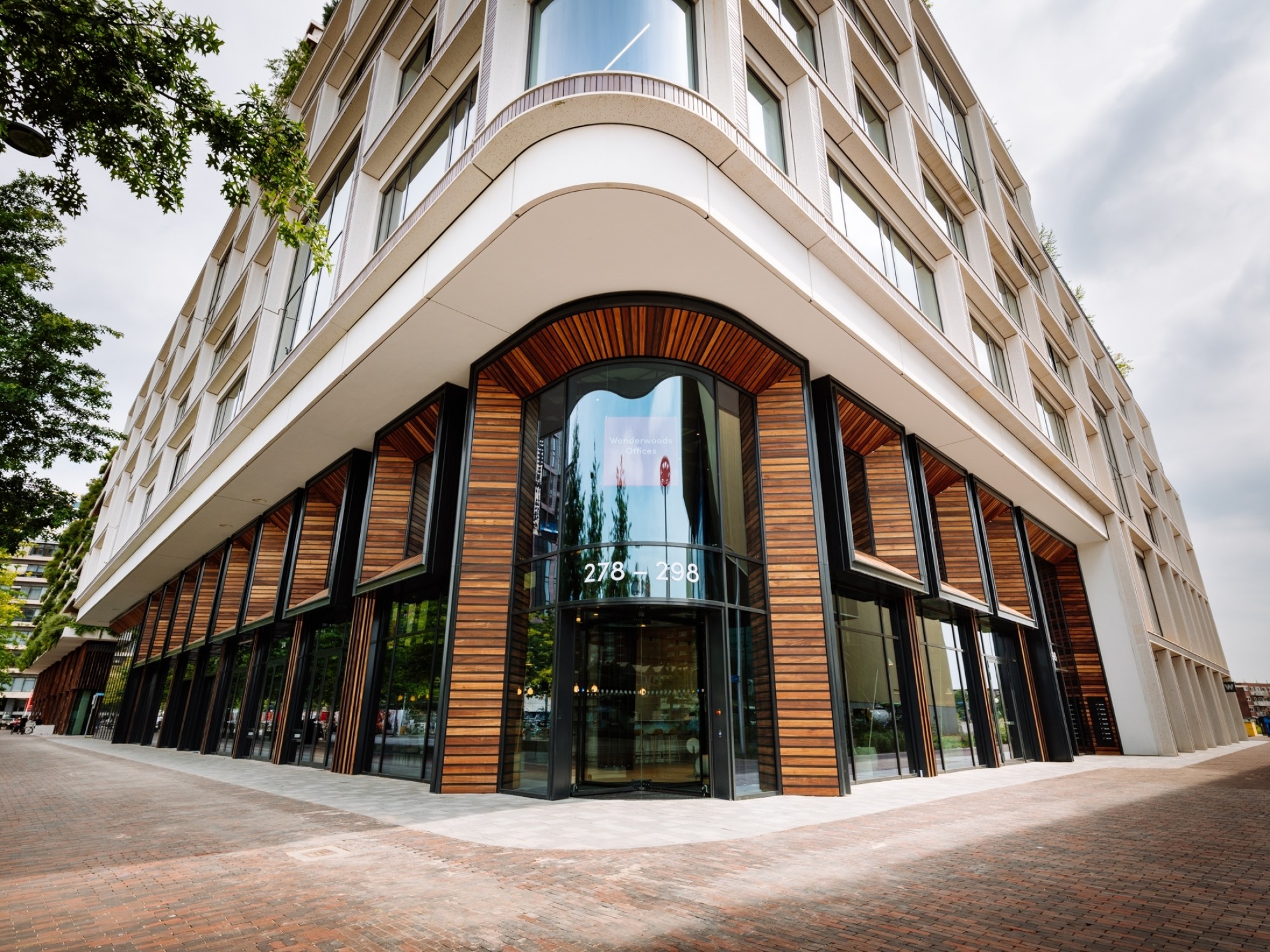
Modern kantoorgebouw met afgeronde hoek, grote ramen en groene accenten, gezien vanaf straatniveau tegen een heldere blauwe lucht.
The workplace of 2026: a driver of growth and well-being

The workplace of 2026 is no longer a cost item on the balance sheet, but a strategic instrument that can make the difference between growth and stagnation. For executives struggling with hybrid working, underused office space, and the battle for talent, a well-considered workplace strategy offers the key to productivity, well-being, and competitiveness.
From overhead to a growth accelerator

The numbers speak for themselves: 89 percent of executives see digital transformation as a core component of their growth strategy. The workplace plays a crucial role in this. Organizations that align their workplace investments with business goals such as growth, talent retention, and innovation achieve as much as 16 percentage points higher revenue growth. This is no coincidence, but the result of a fundamental shift in thinking.

Where the workplace was once primarily a facilities matter, it has now become a strategic instrument that directly impacts business performance. This shift requires a different approach, in which strategy, design, and execution are seamlessly aligned.


The hybrid workplace requires intentional design

Hybrid working has firmly taken hold, but it also brings new challenges. For example, 65 percent of employees prefer to work in flexible blocks, known as “microshifting.” This means no longer working from nine to five, but in shorter, non-linear periods that align with personal productivity peaks and private commitments.

For organizations, this means that the office must offer clear added value compared to working from home. Without thoughtfully designed spaces for focus, collaboration, and interaction, employees are more likely to stay at home. The average office utilization rate is currently only 38 percent, while 79 percent of organizations aim for a utilization rate of 65 percent or higher.

The solution lies in data-driven design. Organizations that use real-time occupancy data typically discover 20 to 30 percent unused space. By combining these insights with employee feedback and workflow analyses, a workplace can be created that truly aligns with the needs of modern employees.


Well-being as a business case

The battle for talent is no longer won with a good salary alone. As many as 65 percent of office workers prioritize work–life balance over salary. Employees with lower levels of well-being face a 61 percent higher risk of burnout, leading to costly absenteeism and staff turnover.

The costs of employee turnover are significant: six to nine months of salary per departing employee, including recruitment, training, and lost productivity. Investing in workplace well-being is therefore not a luxury, but a necessity. Employees with optimal well-being have 33 percent greater mental resilience and are less likely to consider leaving.


A workplace that places well-being at its center includes elements such as:

  • Sufficient daylight and natural ventilation
  • Quiet zones for focused work
  • Movement spaces and ergonomic workstations
  • Green elements and nature in the design
  • Social spaces for informal interaction

Design & Build as a risk management strategy

The traditional approach, in which design and execution are separate processes, is increasingly being replaced by integrated Design & Build projects. This approach is expected to account for more than 47 percent of all construction spending between 2024 and 2028. And for good reason, as the advantages are compelling.

With one integrated team of architects and contractors involved from the start, miscommunication, cost overruns, and delays are minimized. Project timelines are on average 20 to 40 percent shorter than with the traditional approach. For organizations, this means less disruption to daily operations and faster realization of the desired workplace environment.

Budget certainty is another important advantage. By working with a predetermined maximum price, organizations know exactly where they stand. This provides peace of mind and allows them to focus on the strategic goals of the workplace transformation.
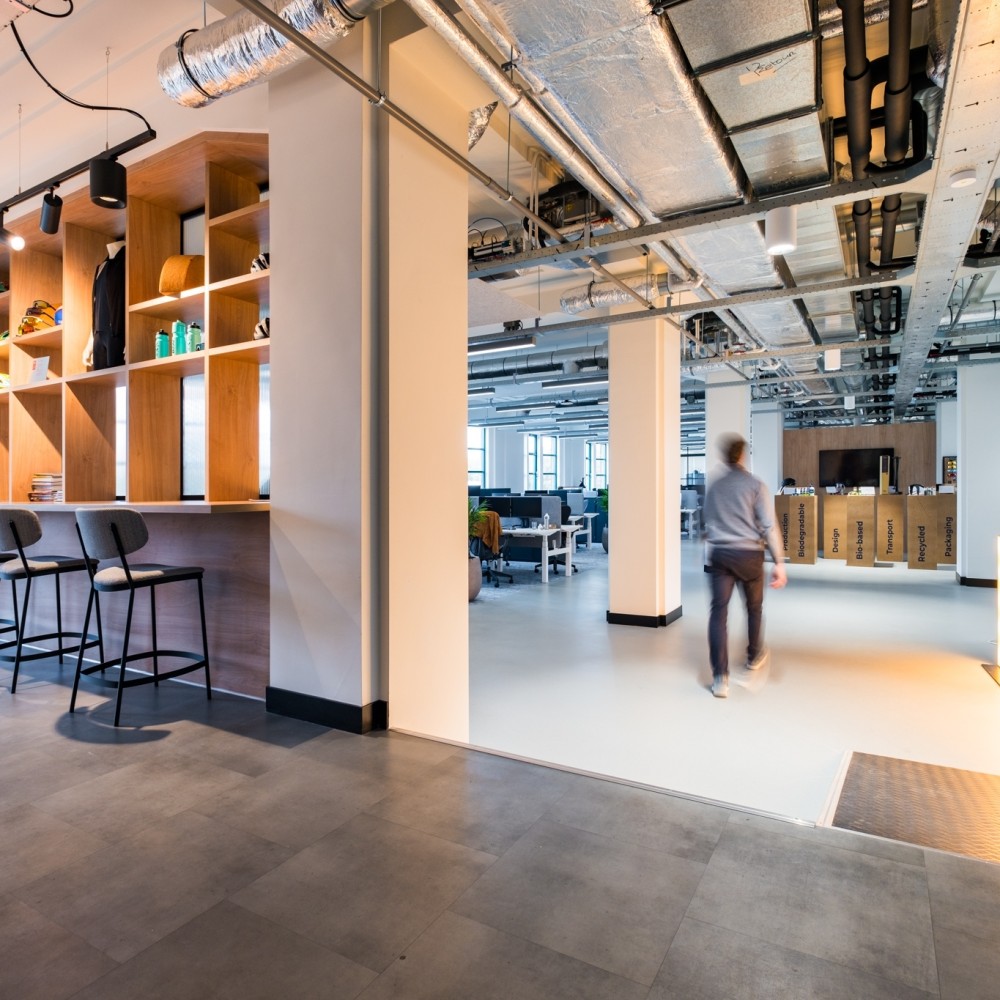


Sustainability as a prerequisite for access

According to 83 percent of investors, climate risk ranks as the second most important ESG criterion for financing. For real estate owners and tenants, this means that sustainability is no longer optional. BREEAM certification, energy optimization, and a Paris Proof design are increasingly becoming requirements for financing and leasing.

Organizations that invest in sustainable workplaces now benefit from:

  • Lower energy costs through smart building systems
  • Higher property value and improved leasability
  • Greater appeal to sustainability-conscious talent
  • Reduced risk related to future regulations and legislation
  • A positive contribution to corporate CO₂ reduction targets
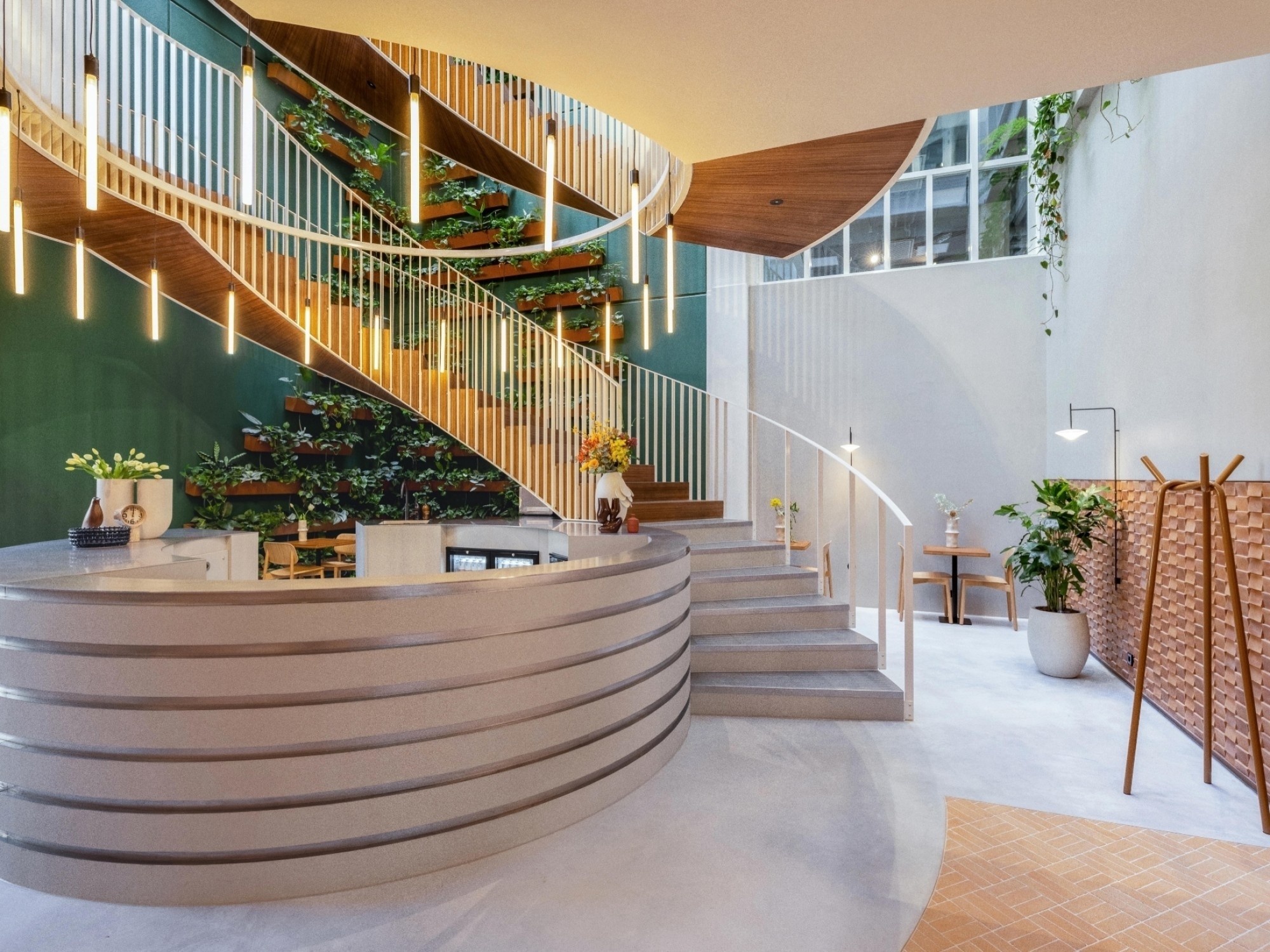
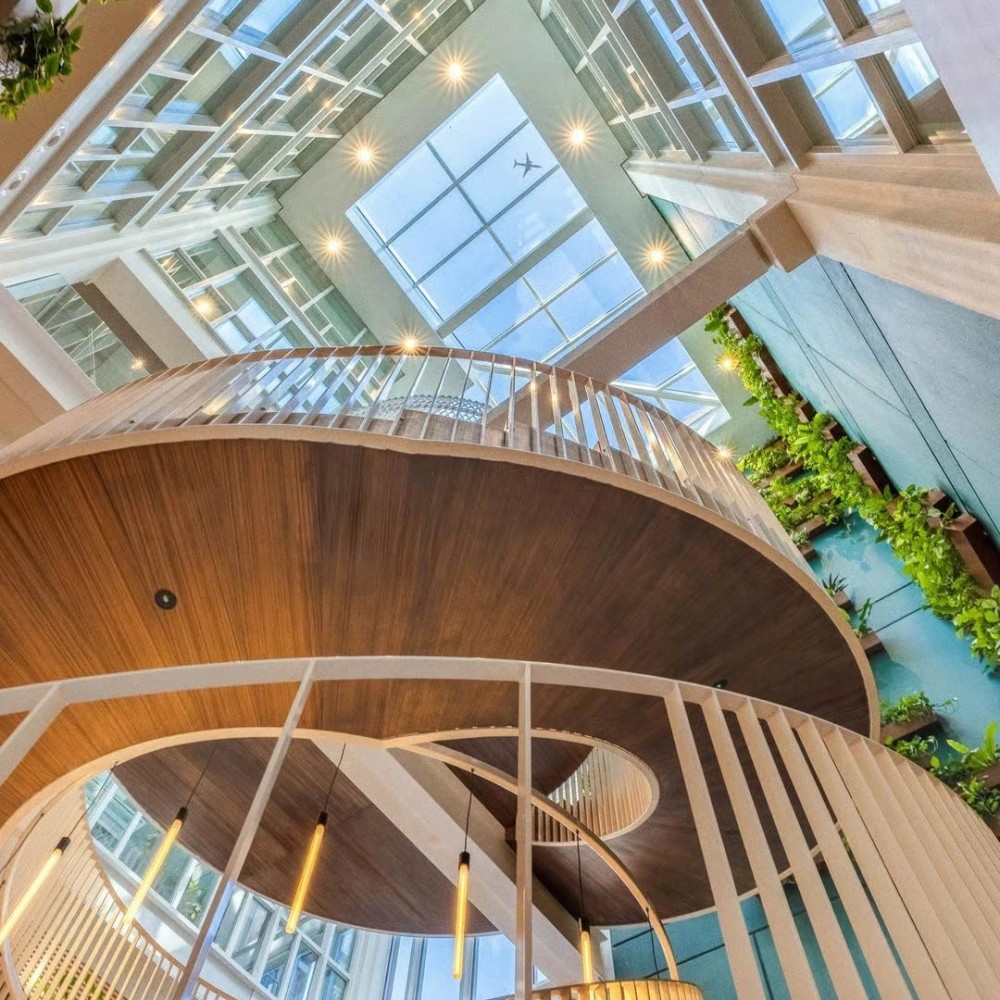
Modern reception area with a curved desk, wooden staircase with greenery, and stylish lighting creating a warm, welcoming atmosphere.
Technology as an enabler of the smart workplace

Smart building systems are no longer a vision of the future, but a reality. Real-time occupancy monitoring, predictive analytics, and intelligent building management systems reduce operational costs by 10 to 30 percent while simultaneously improving employee comfort. These technologies make it possible to automatically adjust heating, ventilation, and lighting based on actual occupancy. Predictive maintenance prevents disruptions before they occur. Employees can use apps to reserve workspaces, locate colleagues, and choose the ideal work environment for their tasks.

The flexible workplace as the new standard

Coworking and flexible workspace solutions are no longer a niche but have become mainstream. More than 55 percent of large companies now use flexible workspaces for satellite offices, project teams, or market expansion. The market is expected to grow from 20.96 billion euros in 2023 to 58.37 billion euros by 2033.

This trend gives organizations the opportunity to:

  • Scale up or down quickly without long-term commitments
  • Explore new markets with minimal risk
  • Allow employees to work closer to home
  • Access professional facilities without major investments
  • Benefit from networking opportunities in coworking environments

Implementation with minimal disruption

A successful workplace transformation begins with a thorough diagnosis and data collection. Real-time occupancy sensors, employee surveys, and workflow analyses form the foundation for an effective strategy. This phase usually takes four to eight weeks and provides crucial insights into current bottlenecks and future needs.

Change management is essential for acceptance. Transparent communication, phased implementation, and appointing ambassadors within the organization reduce resistance and accelerate behavioral change. Without proper guidance, up to 70 percent of workplace projects fail.

The actual transformation can take place without disrupting daily operations. By phasing the work carefully, using temporary workspaces, and communicating weekly about progress, disruption remains limited. Such a transformation typically takes between 12 and 26 weeks, depending on the scale.


From cost item to value creation

The workplace of 2026 will be fundamentally different from today’s. It is no longer a static environment, but a dynamic one that adapts to changing needs. Organizations that successfully make this shift will see the workplace transform from a cost item into a strategic instrument for growth, innovation, and well-being.

For decision-makers in medium-sized and large organizations, the message is clear: the time for noncommittal workplace strategies is over. Organizations that invest now in data-driven, sustainable, and flexible workplace solutions will create a competitive advantage that will pay off in the coming years through higher productivity, stronger talent retention, and business growth. The question is not whether you will take this step, but when and with which partner you will undertake this crucial transformation.


Home Insights The workplace of 2026: a driver of growth and well-being