

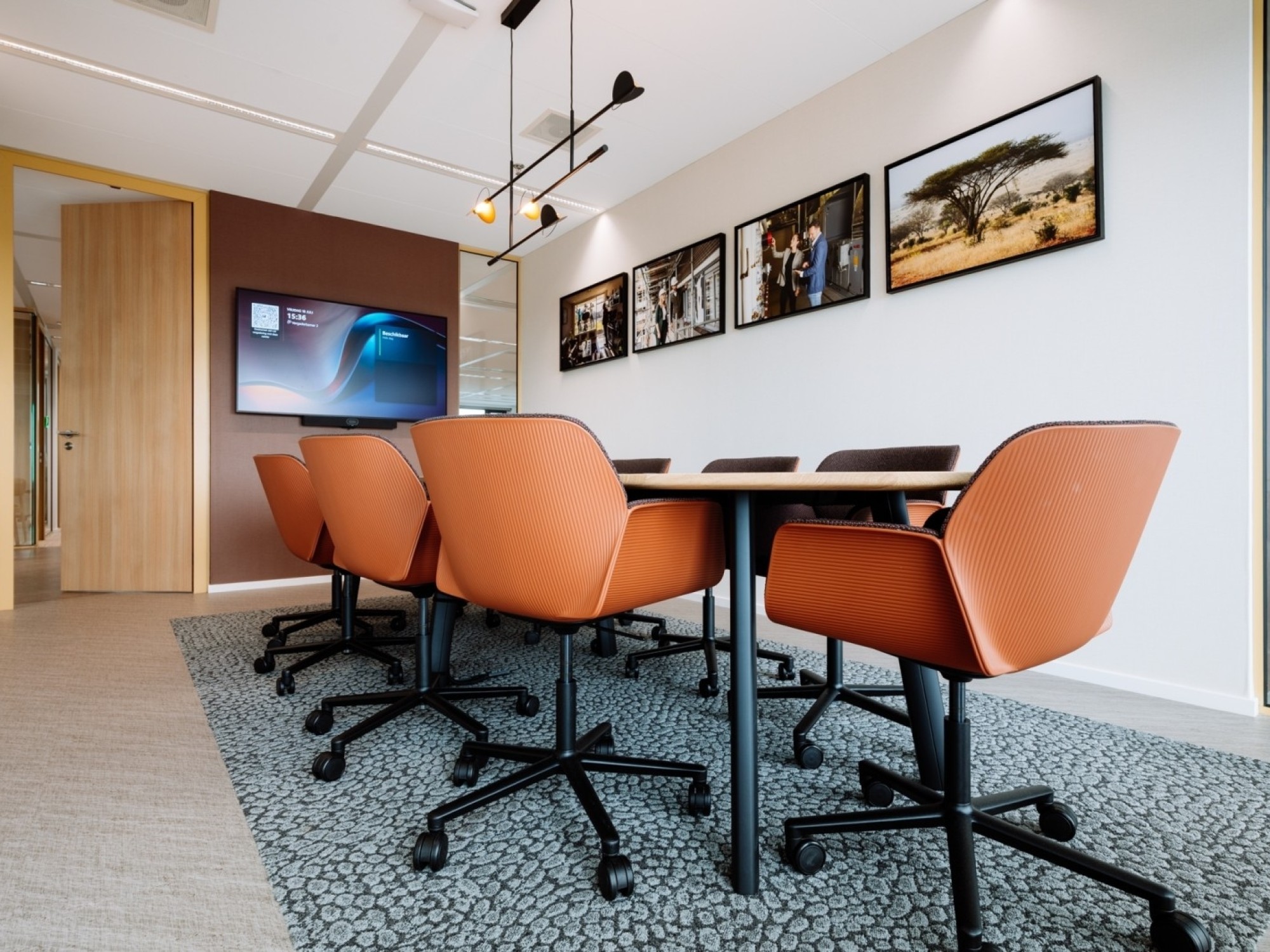
The workplace is changing at a rapid pace. What was the norm yesterday is already outdated today. For strategic decision-makers who want to future-proof their organization, it is crucial to understand the current trends shaping the office environment of tomorrow. The challenge? The office must be more than just a place to work, it needs to become a strategic tool for productivity, cost control, and employee satisfaction.
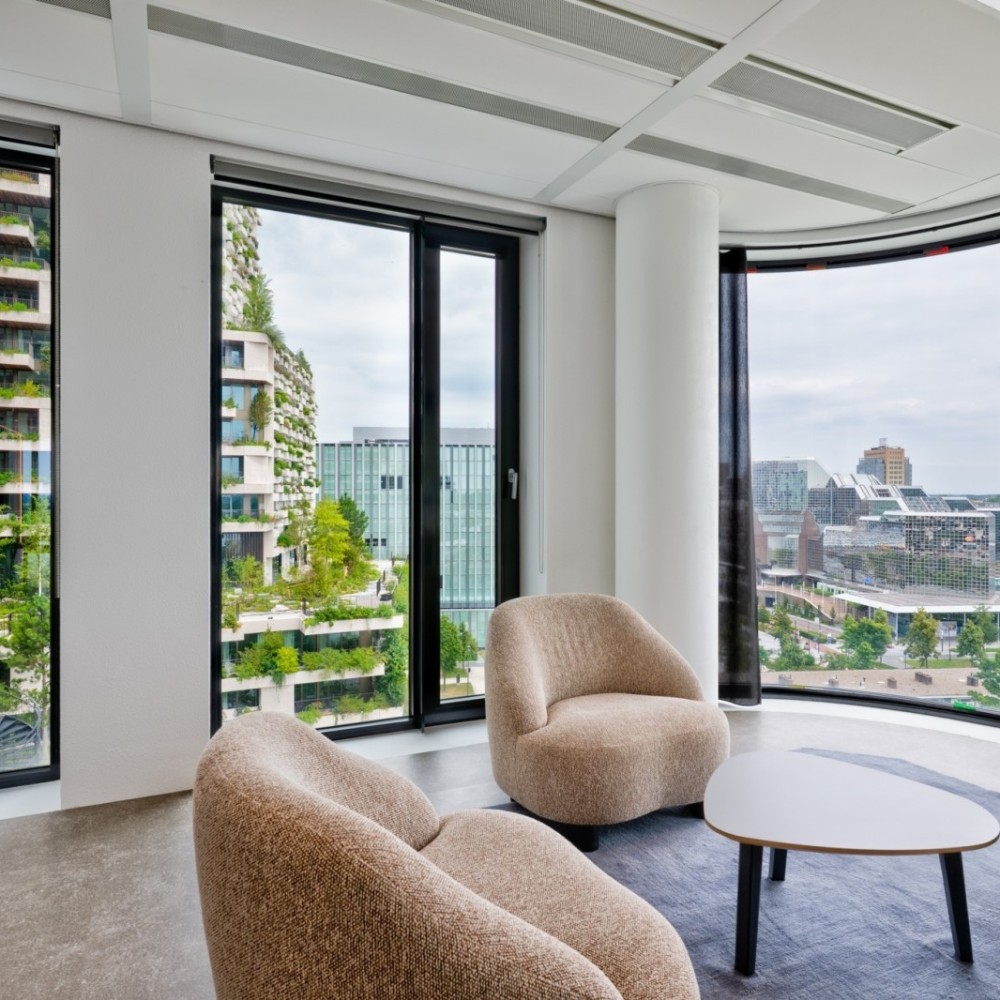
Hybrid working: from hype to new reality
The numbers don’t lie: 70 to 75 percent of all organizations now operate with a hybrid work model. Fully remote work appears to be rare, while the traditional five-day office model is definitively a thing of the past. This shift calls for a fundamental redesign of the workplace. Organizations that view hybrid working purely as a cost-saving measure end up with underutilized, neglected offices that no one wants to visit.
Successful companies take a different approach. They see the transition to hybrid working as an opportunity to reinvent the office-reducing individual desks and increasing collaborative spaces, while placing greater emphasis on experience and well-being. Office usage has decreased by an average of 20 to 35 percent compared to the period before COVID. This excess capacity is not only operationally inefficient but also poses a financial risk due to higher costs and reduced budgetary flexibility.
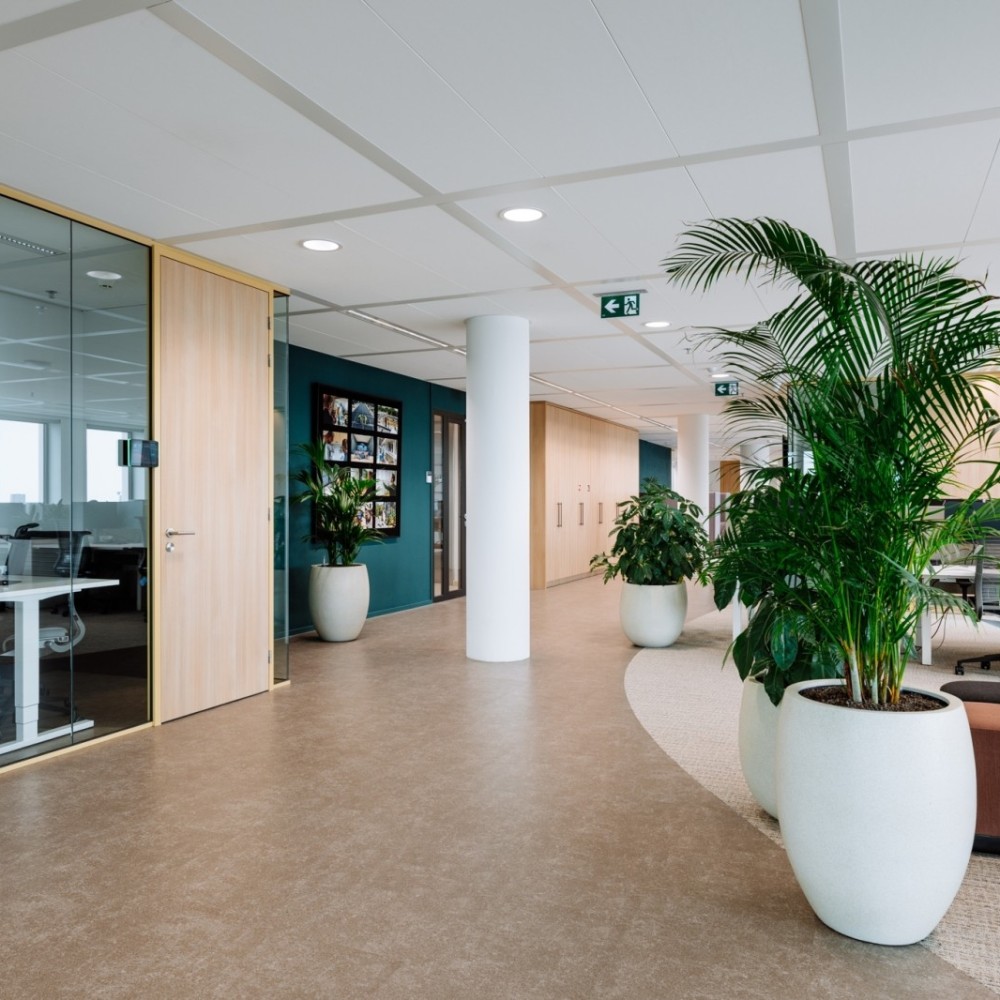
From workplace to meeting place
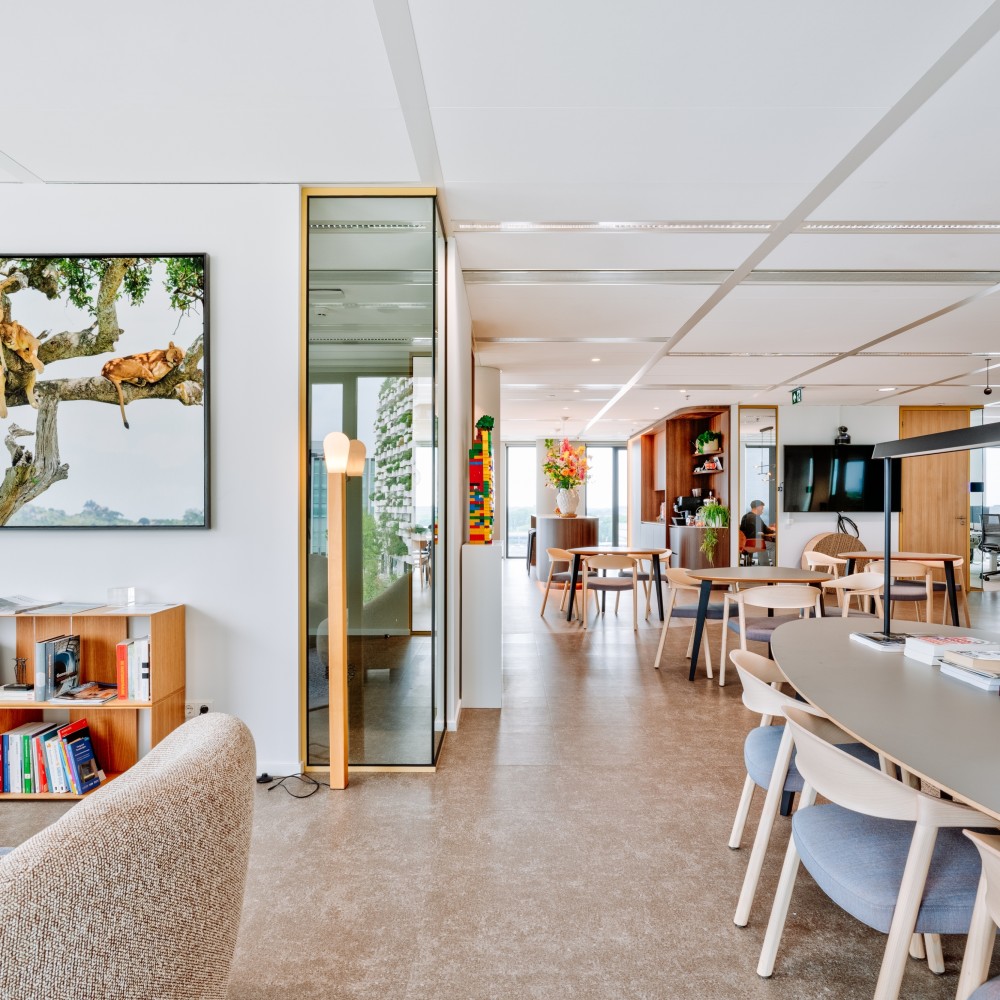
Employees now only accept the office if it offers added value compared to working from home. As many as 65 percent see the office primarily as a social meeting place and collaboration space, not as a location for individual work. This calls for a different design approach. Quiet zones and focus rooms are growing faster than open-plan offices, while well-being facilities are becoming increasingly important.
The numbers speak for themselves: offices with amenities such as fitness areas, outdoor spaces, and good lighting are used 40 to 60 percent more than offices without these features. Natural elements, good acoustics, and flexible workspaces make the difference between an office people have to go to and a place they want to be. Without this added value, the office can even lead to talent loss.
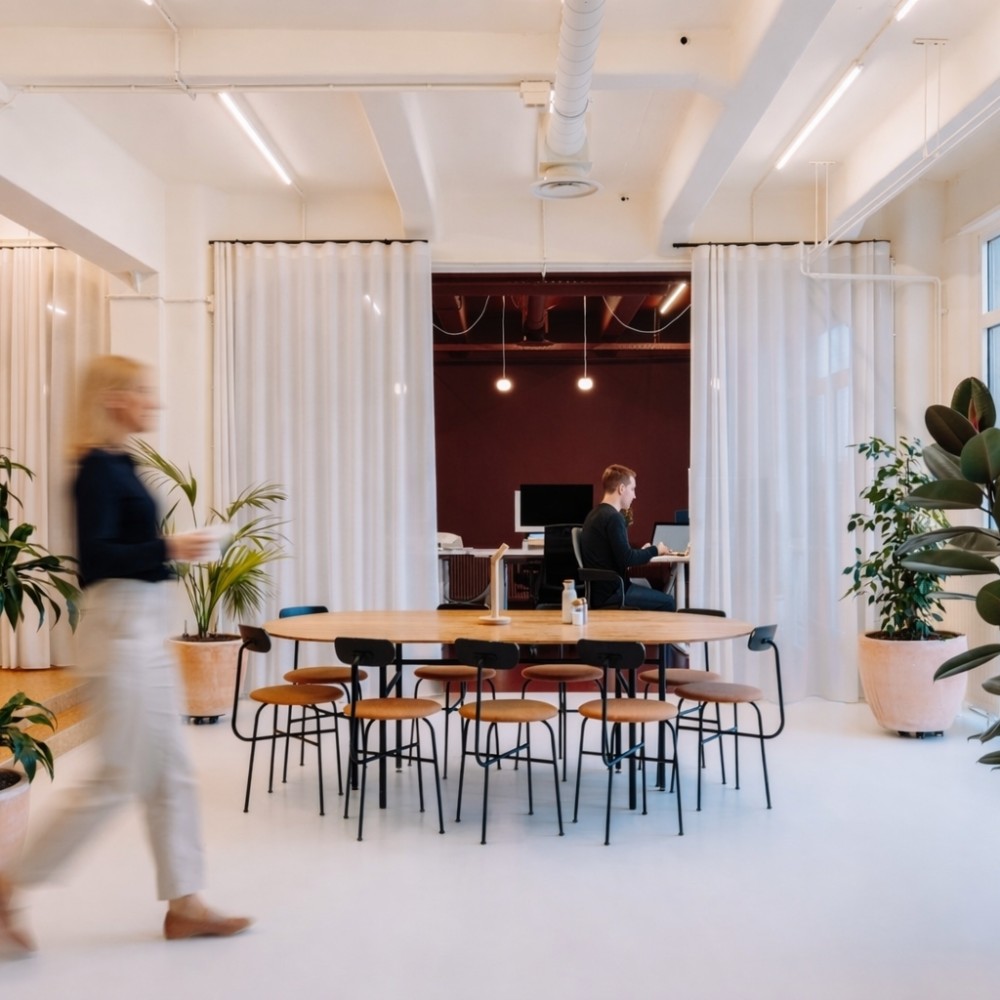
Design & Build: one partner, less risk
The traditional separation between strategy, design, and construction often leads to miscommunication, budget overruns, and delays. Working with a single accountable partner reduces cost overruns by an average of 25 percent and saves 15 to 20 percent in time. In this model, execution risk lies with the contractor rather than the client.
By involving the executing party early on, costly redesigns later in the process can be avoided. When the designer and builder collaborate from the start under a single point of contact, clear ownership and better alignment are created. This results in predictable timelines and minimal disruption to daily operations.
From reactive to strategic
Many organizations jump straight into the design phase without first establishing a clear workplace strategy. This often leads to a mismatch between design and actual use, low adoption, and budget overruns. Successful transformations start with an analysis of current usage, discussions with stakeholders, and the formulation of a clear vision for the future.
Alignment between finance, HR, and facilities is crucial in this process. Without clear direction and measurable goals, tensions arise between cost control, well-being, and operational efficiency. A strategic leader, such as the COO must take the lead in balancing these interests.
The workplace as a strategic instrument
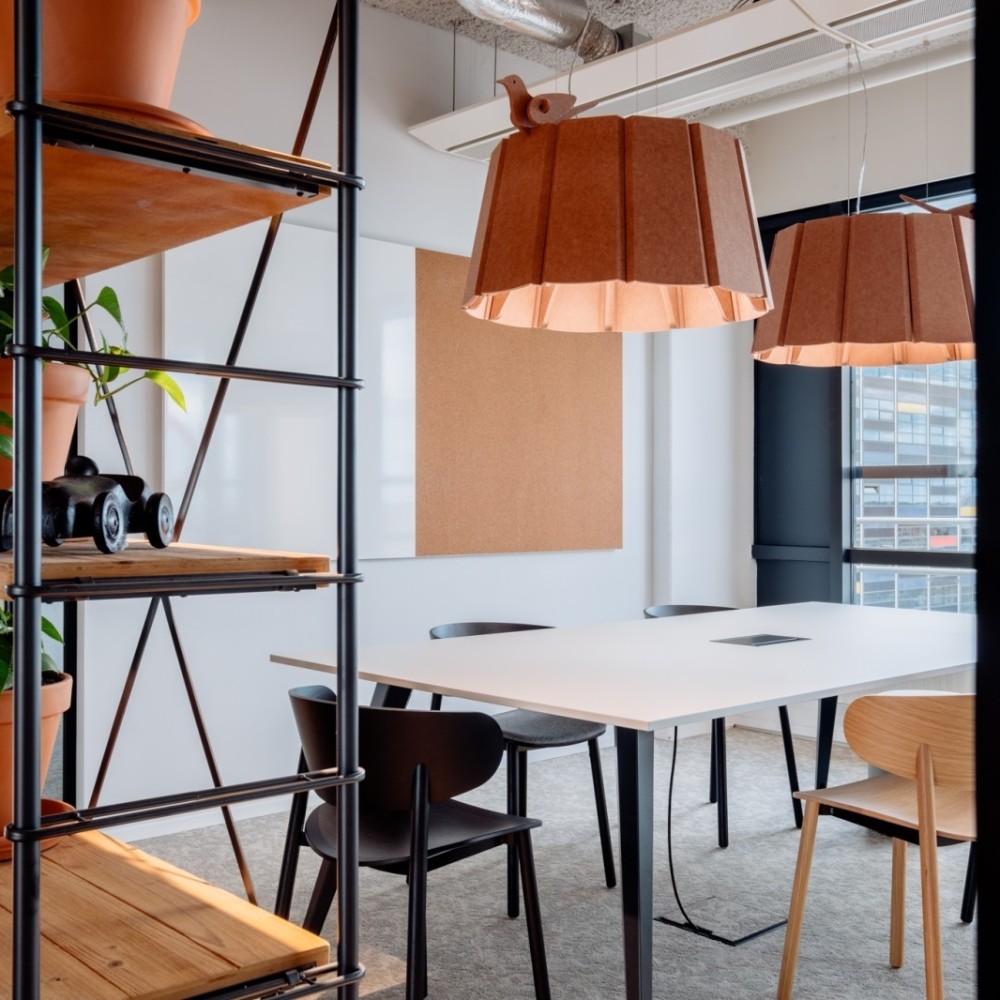
The trends are clear: hybrid working remains the norm, well-being is central, data underpins decision-making, sustainability is mandatory, and flexibility is essential. Organizations that ignore these developments risk inefficient workplaces, talent loss, regulatory issues, and a decline in the value of their real estate.
The workplace of the future is not a static concept, but a dynamic environment that evolves alongside changes within the organization. This requires an integrated approach in which strategy, design, and execution are closely aligned.