

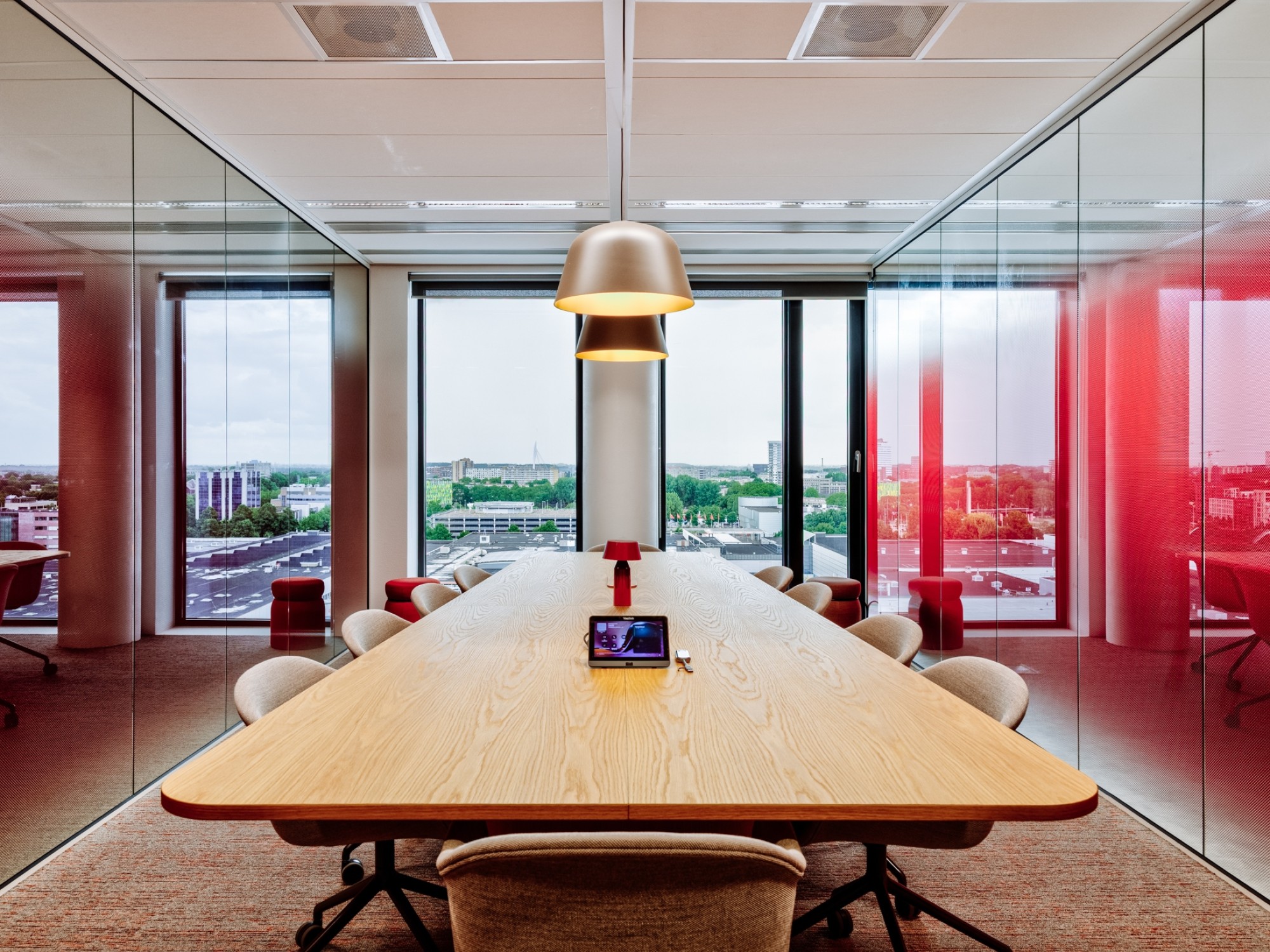
Your office feels emptier than it used to. Meeting rooms are often unused. Workstations remain vacant while you’re still paying for the full number of square meters. At the same time, employees complain about a lack of collaboration spaces or quiet areas for focused work. This paradox characterizes many modern organizations since hybrid working became the norm. The solution lies in workspace analysis: objective data that shows how your office is actually being used.
From assumptions to facts: the power of data
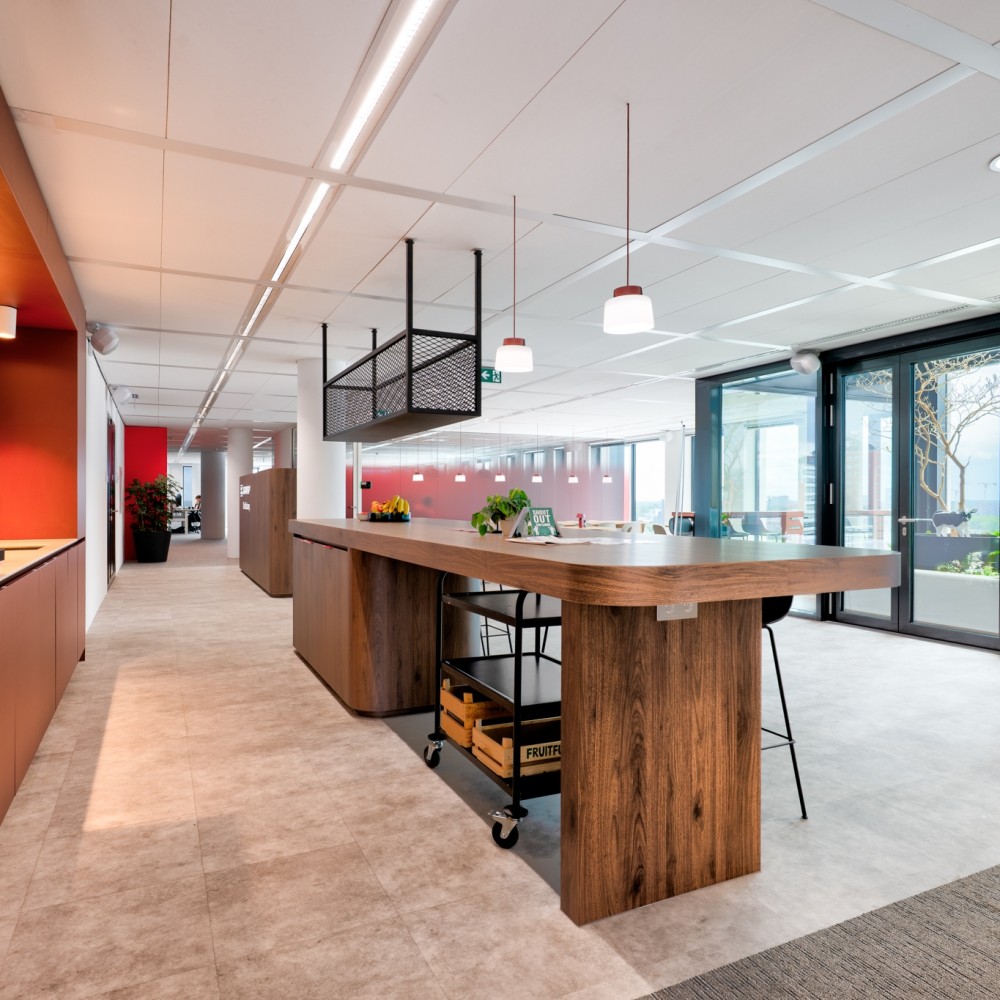
Traditional workplace planning was based on rules of thumb: one desk per employee, standard meeting rooms, and fixed layouts. This approach worked when everyone was in the office five days a week. Now, with hybrid work models where employees come into the office two to three days a week, these assumptions no longer hold. Research shows that in typical hybrid situations, only 30 to 50 percent of workspaces are occupied.
This means that organizations with one hundred employees often pay for one hundred workstations, while at most fifty are used at the same time. For an office of 2,000 square meters in Amsterdam, this can amount to €200,000 to €300,000 in annual overcapacity. Workspace analysis makes these hidden costs visible and provides concrete tools to optimize.
The data also shows when and how offices are used. Mondays and Thursdays tend to have peak occupancy, while Fridays are often quieter. Teams mainly use office space for collaboration and knowledge sharing, and less for individual work. These insights enable organizations to align their workplace with actual usage, rather than outdated assumptions.
Implementation: from measurement to strategy
Successful workspace analysis starts with clear objectives. Do you want to reduce costs, grow without adding extra square meters, or improve employee well-being? This focus determines which data you collect and how you interpret it. A growth scenario requires different measurements than a cost-reduction plan.
Data collection combines multiple sources to create a complete picture:
- Motion sensors anonymously record where and when spaces are used
- Booking systems show planned versus actual occupancy
- Access data provides insight into attendance patterns by day and time
- Employee surveys explain the “why” behind the numbers
- Facility usage, such as coffee machines and meeting rooms, confirms occupancy patterns
A measurement period of at least four to eight weeks ensures representative data. This prevents vacation periods, flu waves, or project peaks from distorting the results. The analysis transforms raw sensor data into actionable insights, such as: “Tuesday morning has an occupancy rate of 38 percent, with a peak between 10:00 and 11:00,” instead of thousands of separate data points.
Return on investment: when does analysis pay off?
The business case for workspace analysis is compelling for organizations from 700 square meters onwards. Implementation costs range from €30,000 to €80,000 for a mid-sized organization, including sensors, software, and consultancy. In return, there are structural savings of 15 to 25 percent on real estate costs.
For an organization with €200,000 in annual real estate costs, a 20 percent saving translates into €40,000 per year. The investment typically pays for itself within two years. In addition, there are indirect benefits such as higher productivity, improved employee satisfaction, lower energy costs, and more effective growth planning.
Analysis also supports design and implementation processes. Architects gain access to concrete data on space requirements instead of relying on standard norms. An organization moving from 2,000 to 1,500 square meters knows in advance whether this is feasible. It also enables flexible design, with modular spaces that can adapt to changing needs.
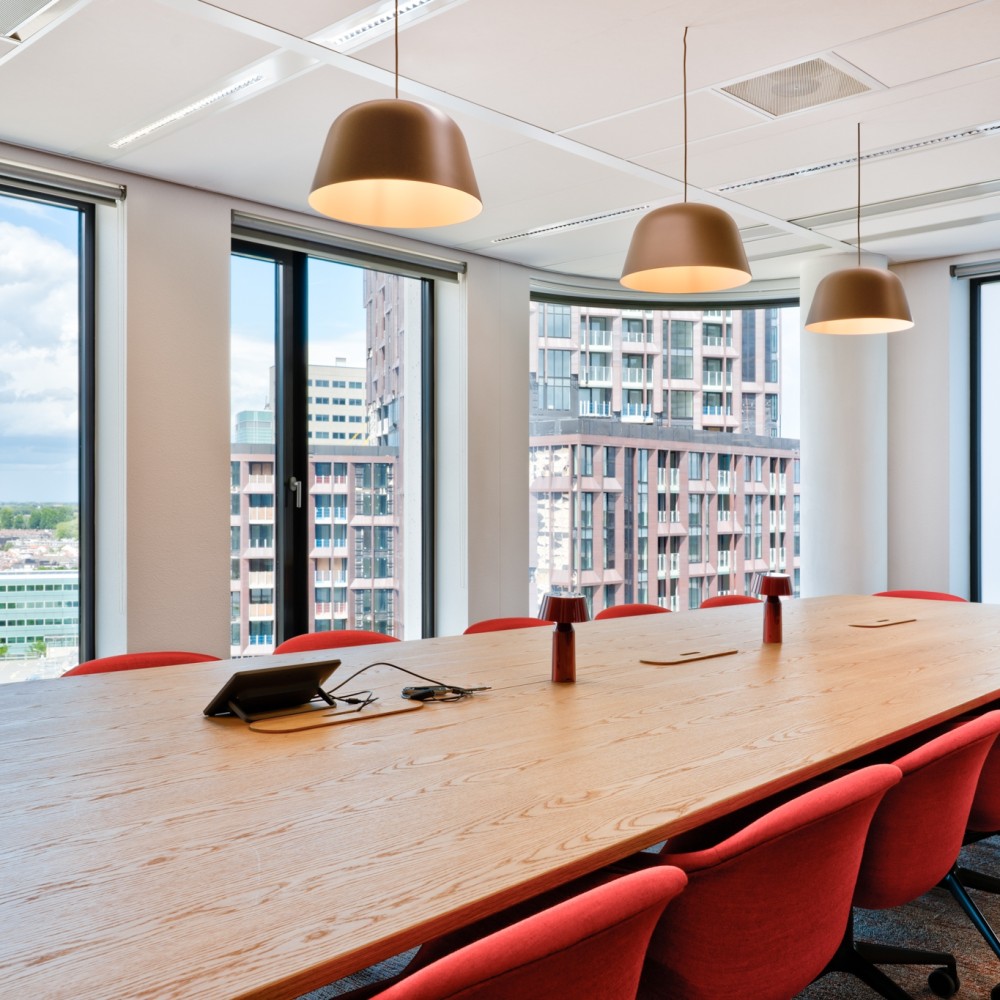
From data to a sustainable workplace strategy
Workspace analysis is not a one-time project, but an ongoing process. Hybrid work patterns evolve, organizations grow or shrink, and markets develop. Successful organizations integrate analysis into their strategic planning. They measure, analyze, adjust, and measure again.
For decision-makers in the Randstad, where pressure on real estate is high and talent is scarce, workspace analysis offers a competitive advantage. It enables organizations to act with confidence in a dynamic environment. Real estate decisions are backed by facts. HR policies align with actual needs. Sustainability goals become measurable and achievable.
The workplace shifts from a cost center to a strategic asset. A well-designed office, based on analysis, supports productivity, strengthens culture, and attracts talent. It provides employees with what they need: collaboration when desired, focus when required, and always flexibility.
For organizations struggling with hybrid work, growth ambitions, or cost pressure, workspace analysis provides direction. It connects strategy with execution and vision with practice. In a world where change is the only constant, data offers the confidence to make well-informed decisions—not based on guesswork or intuition, but on objective facts that lead to better workplaces, healthier organizations, and sustainable growth.