
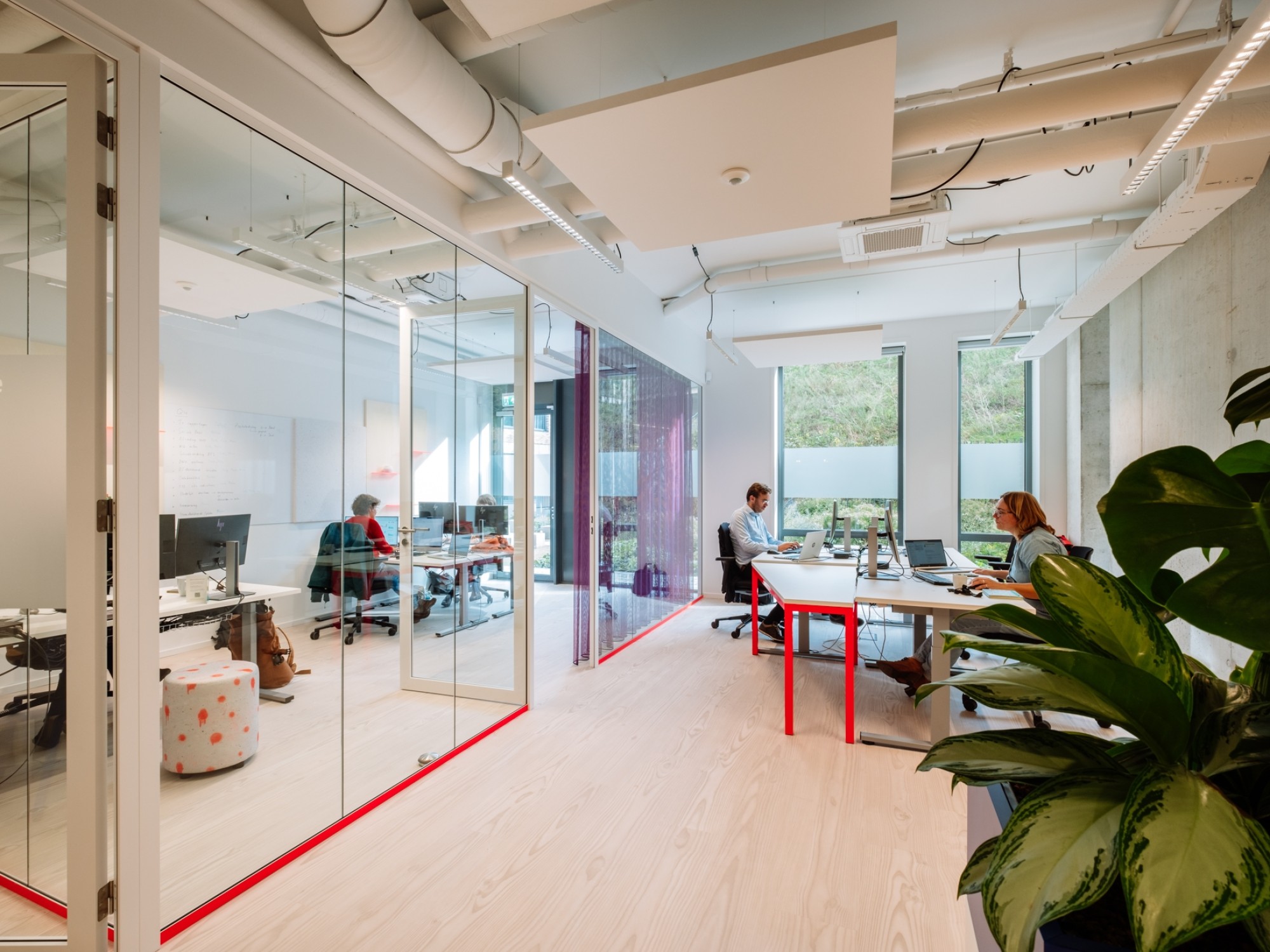
The workplace of today is no longer the same as it was yesterday. Where organizations once relied on fixed office concepts and long-term lease agreements, the current reality calls for a different approach.
Agile workplace strategy for 2026: success and growth
Change has become the new norm, driven by hybrid working, rapid technological developments, and a volatile market.
For medium-sized and large organizations, this means that a traditional, static workplace strategy is no longer sufficient. The question is clear: how do you design a workplace strategy that not only works today but remains relevant tomorrow? The answer lies in strengthening the organization’s agility. As a result, the workplace shifts from being a fixed cost item to a strategic instrument that moves with changing needs.
From static to strategic: the new workplace dynamic
The modern workplace operates in an environment of high complexity. Where organizations once relied on predictable patterns, they now face constant shifts. Hybrid working has become the norm for many organizations: 55% of employees structurally combine working from home with working at the office. At the same time, technological developments are fundamentally changing the way we work, while sustainability requirements are becoming increasingly stringent.
This calls for a new perspective on agility. It is no longer about managing square meters, but about creating a dynamic ecosystem in which space, people, and technology are well aligned. Successful organizations view their workplace as a strategic instrument that actively contributes to productivity, employee satisfaction, and business performance.
The urgency is significant. Research shows that 92% of HR leaders expect skills shortages by 2026 due to technological developments. Organizations without a flexible workplace system will struggle to keep their daily operations running smoothly. At the same time, the average global office occupancy rate is around 53%, while most organizations consider 65% to be optimal. This gap points not only to unnecessary costs, but also to a strategy that does not align well with real-world practice.
Smart workplaces: from space to experience and performance
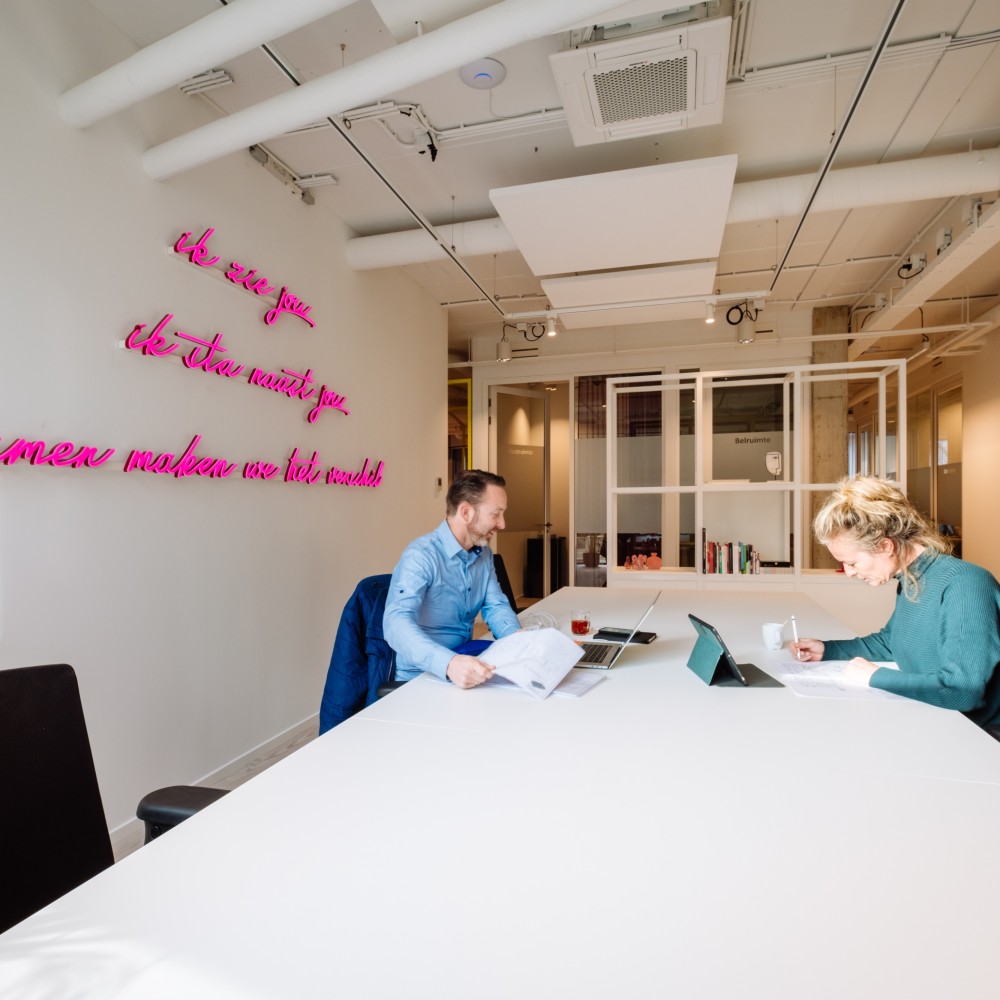
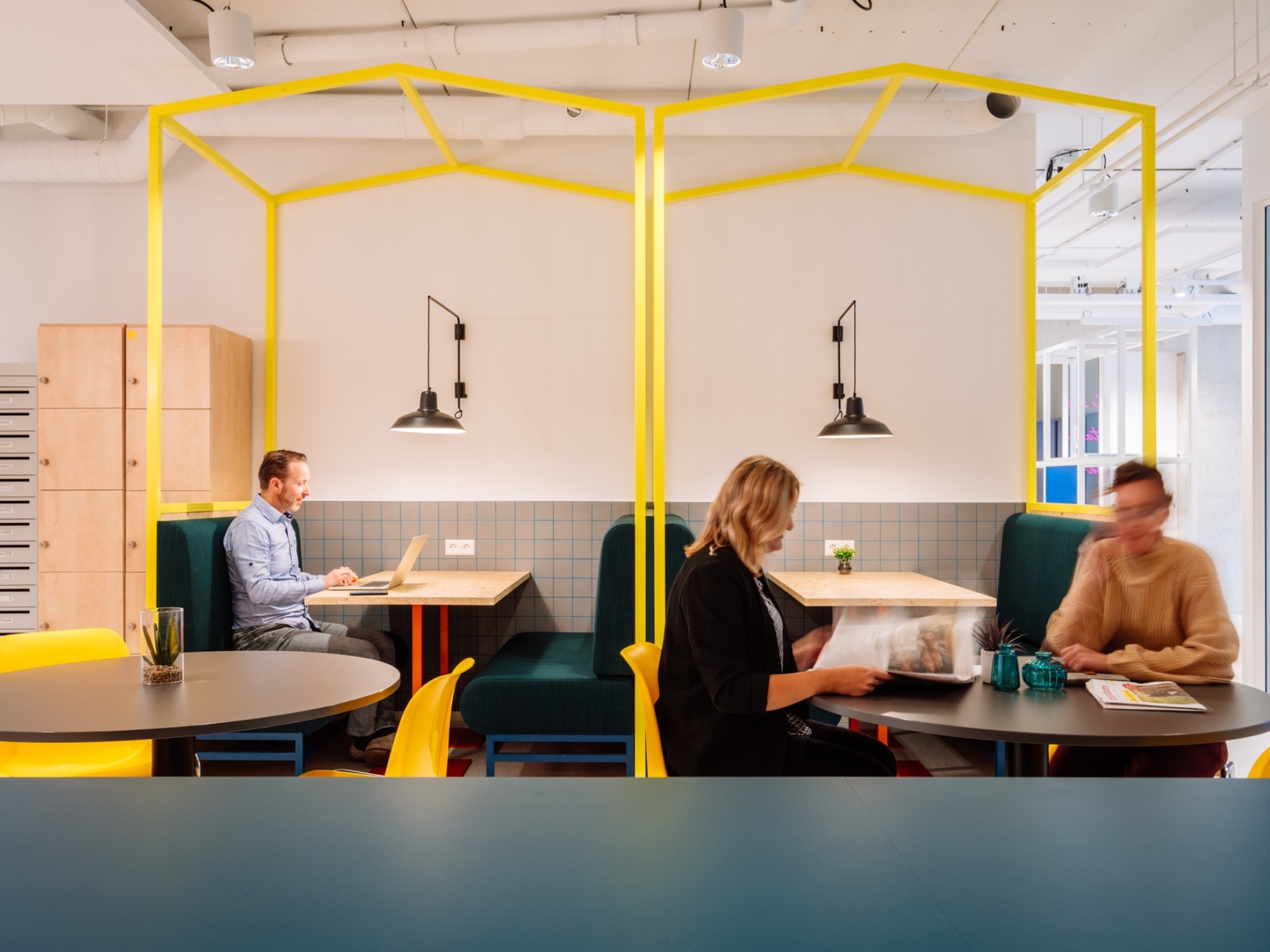
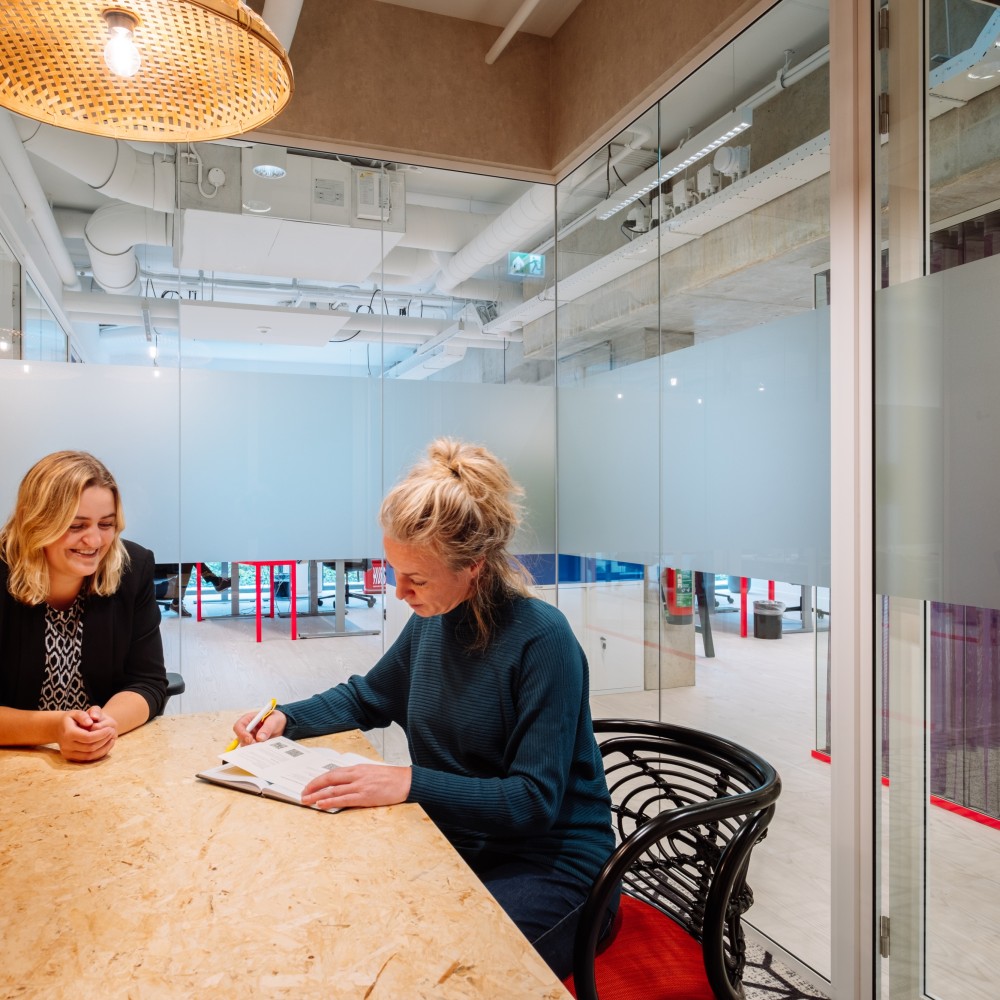
Workplace design has changed significantly as organizations increasingly recognize the major impact the physical environment has on well-being, engagement, and productivity. The focus is no longer solely on efficiency, but primarily on creating a pleasant and supportive work environment.
Research confirms this impact. Studies from the University of Oxford show that happy employees are 13 to 20% more productive than unhappy colleagues. This difference is substantial and can lead to major performance gaps within large organizations. A well-designed work environment can therefore generate millions of euros in additional productivity each year.
Integrating natural elements into the workplace has proven benefits. Contact with greenery reduces stress, lowers heart rate, and contributes to a sense of calm. Practical applications include:
-
Maximizing natural light through windows and skylights
-
Adding plants and green walls
-
Using natural materials and colors
-
Creating views of greenery where possible
-
Providing access to outdoor spaces whenever feasible
Stakeholder engagement as a success factor
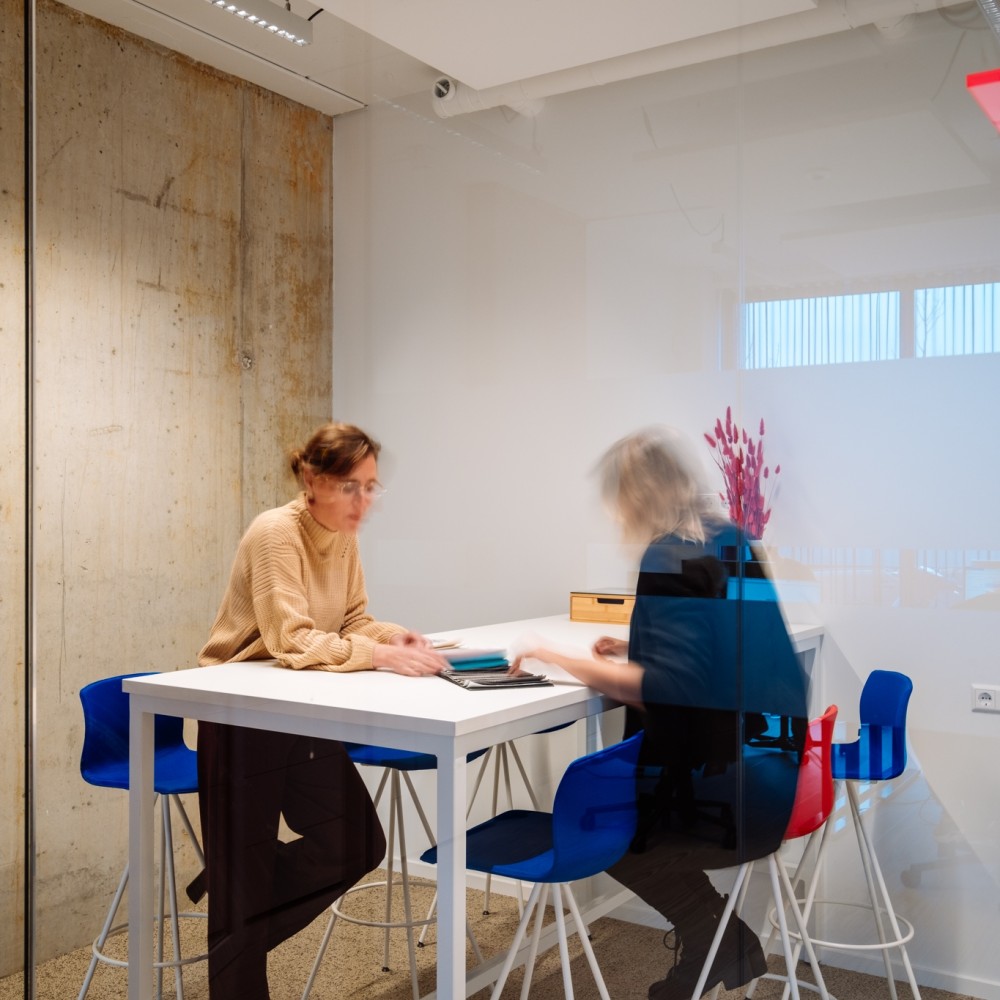
Technical and financial solutions alone are not enough to make workplace changes successful. Organizations that succeed in this area consistently focus on engagement, effective change guidance, and implementation support.
Research shows that 29% of employees do not feel involved in changes within their organization. This lack of engagement often leads to skepticism or resistance. The main cause of resistance is uncertainty about why the change is necessary and what it concretely means for employees.
The role of the manager or team leader is crucial in this process. Managers translate strategy into daily practice, explain why changes are taking place, listen to concerns, and create a safe environment in which new ways of working can be tested. Research indicates that 70% of the differences in team engagement are related to the quality of leadership.
When employees are actively involved in workplace changes, the outcomes are clearly more positive. They make greater use of the new environment, report higher satisfaction, and are more likely to contribute ideas for further improvements.
The road ahead: integrated agility
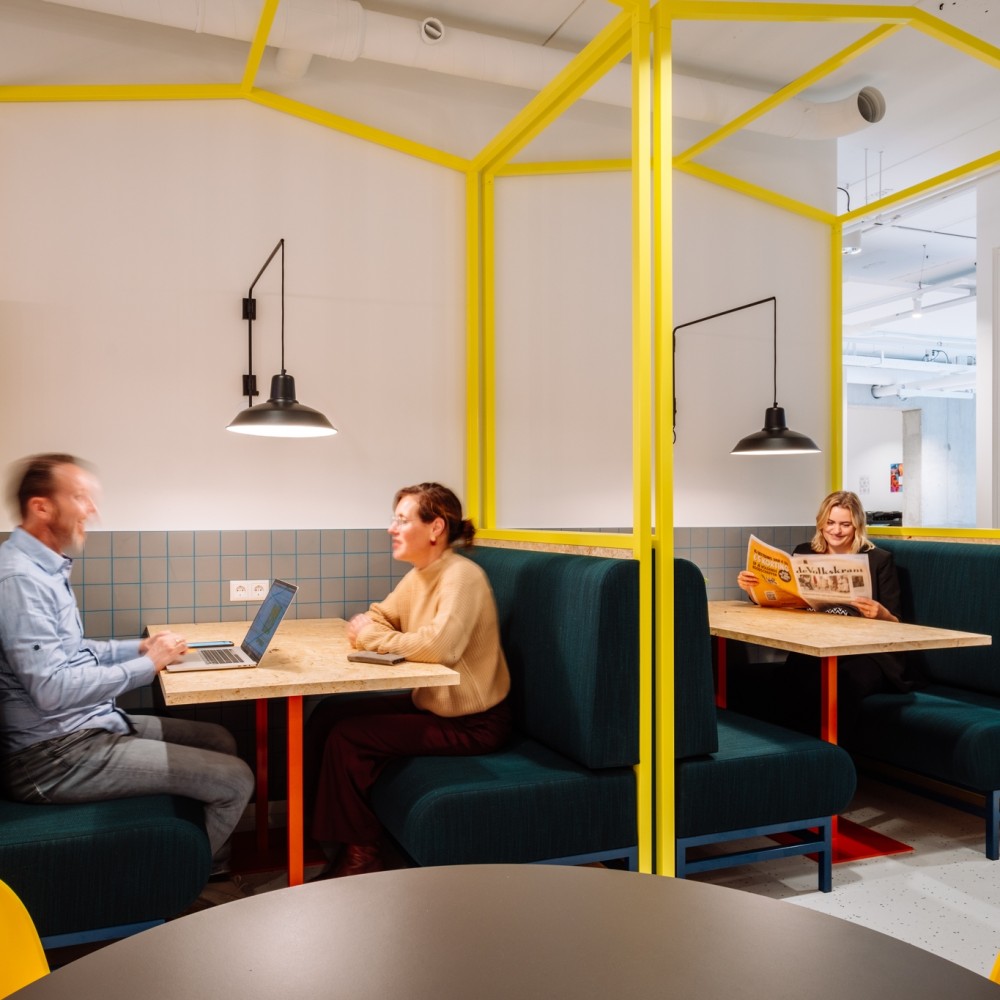
To deal effectively with continuous change, a coherent and integrated approach is required. Isolated solutions to individual problems are not enough. Organizations need to align their processes, systems, and objectives.
This begins with embedding agility at the core of the organization. Workplace strategy is not purely a facilities matter; it directly relates to talent, performance, well-being, and reputation. For that reason, the topic requires attention at the executive level. Decisions about space affect costs, employee satisfaction, and sustainability, and therefore influence the overall success of the organization.
Continuous learning is essential. Organizations that regularly evaluate the results of changes, draw lessons from their experiences, and share that knowledge become increasingly effective at implementing improvements.
Jesper Kieftenbeld
Chief Operational Officer | Partner
Jesper is Chief Operational Officer (COO) and Partner at BESPARK. A job in the interior industry? Jesper never imagined that when he was younger. As a teenager, he started a technical education and worked in engineering for several years. It wasn’t until a later internship that he discovered the interior industry. His interest in interiors was born. When he had a cup of coffee with Iwan in 2016, they immediately clicked. The rest is history.