

When restoring or renovating a historic building, preserving its unique characteristics is central. Every old office building has its own story, just as every historic property carries cultural and historical value. The question is how to retain that charm while adapting the building to meet modern standards and the needs of your employees.
What makes a building historic? A building is designated by the government based on its unique value. Once it is recognized as a monument, specific regulations apply to protect its interior. These rules are comparable to those that protect the exterior of a historic building. They are primarily aimed at preserving the building’s unique character and value.
Buitenkant van het pand
When you want to modify the exterior of a historic property, you must take strict regulations into account. The original façades and architectural elements must remain fully intact and may only be altered with explicit approval from the relevant authorities. Without this official permission, further renovation is simply not allowed. Although this may seem restrictive, these rules exist to protect the unique appearance and historical value of the building, ensuring that the character that makes the property so appealing is preserved.
If you are curious about what the government says regarding the restoration and sustainability of historic buildings, you can visit the website of the Rijksdienst voor het Cultureel Erfgoed.
Roof structure and gardens
The roof structure of a historic building, particularly the parts visible from the outside, is often protected as well. Adjusting or replacing it cannot be done freely. In addition, the gardens and surrounding grounds may also fall under heritage regulations. This means that even small changes to the landscape may require approval. It is therefore essential to carefully investigate what is and is not possible at an early stage when planning to modify the outdoor space or the visible roof structure.
Interior of a historic building
Not only the exterior, but also the interior of a historic building is often subject to regulations and restrictions. Original elements such as staircases, floors, ceilings, and fireplaces must in many cases be preserved. Before starting an interior makeover, it is therefore important to gather the right information and understand which elements are protected. Although these regulations can sometimes be challenging, they are intended to preserve the building’s historical character. This does not mean that your plans cannot be realized, it simply requires creativity and a careful approach.
What you are allowed to change in a historic building
First of all, it is important to determine which parts of the building are protected. Does the building you have in mind have a listed status only for its exterior? In that case, no special permits are required when renovating the interior. Painting, moving walls, relocating staircases, or improving energy efficiency can all usually be done without any issues.
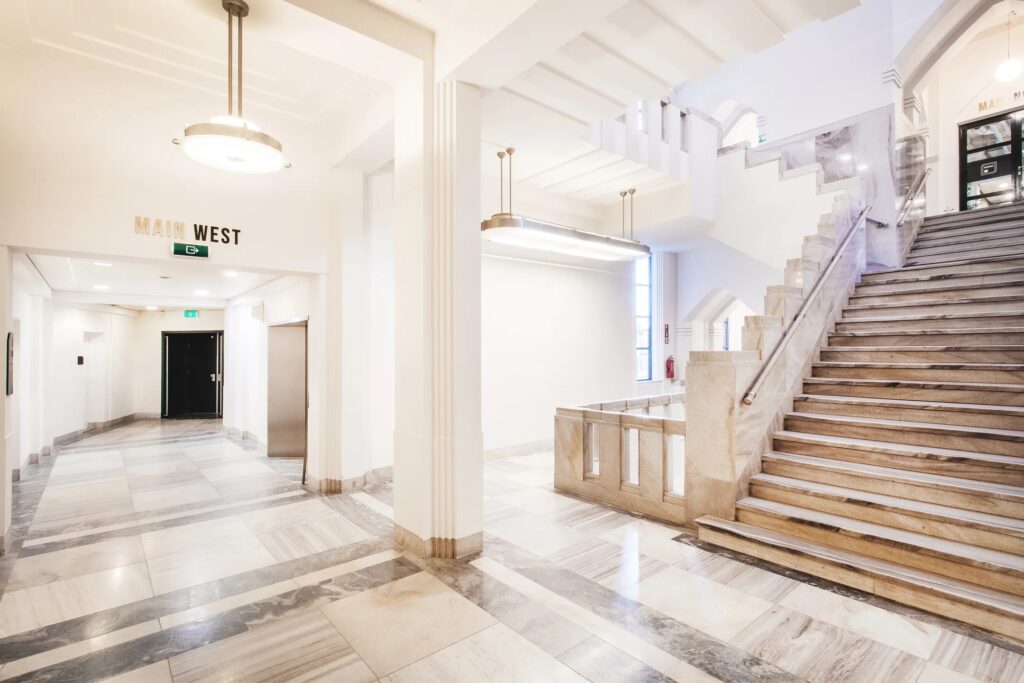
Permits required when restoring historic real estate
Do not underestimate it, permits are a necessary part of restoring a historic building. For example, you may need to obtain an environmental permit when carrying out demolition work or repointing the façade. Even placing a construction container in front of the building often requires a permit.
Permits can cause additional stress, but that is not necessary. BESPARK is happy to assist with coordinating and aligning the process with the municipality.
Making a historic building more sustainable and improving insulation
What applies to “regular” buildings does not always apply to a historic property. What is possible in terms of sustainability measures differs from one monument to another. Insulating a historic building can be challenging, but with the right approach, any property can receive a green upgrade.
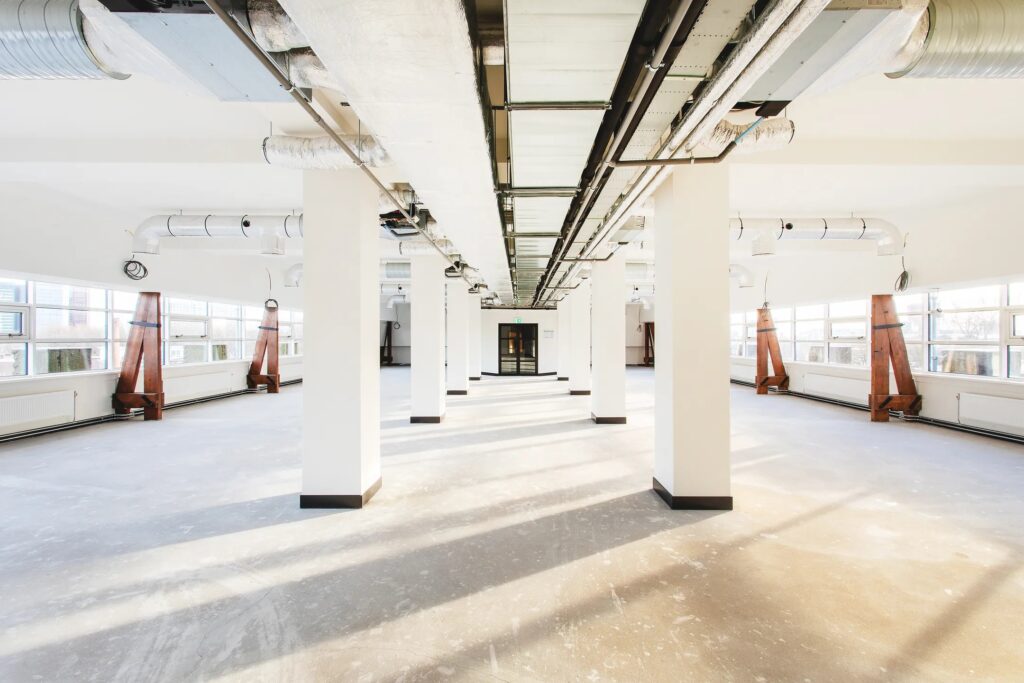
Should you restore a historic building or not?
Restoring a historic building is not a simple task, but with careful consideration and the right guidance, it can be done successfully. Preserving the historical charm and cultural heritage value is certainly worth the effort. By involving our expert Sander Bank at an early stage, we can help you make important decisions.